- precisionagricultu.re
- Compare
- P2 vs T30 IMU
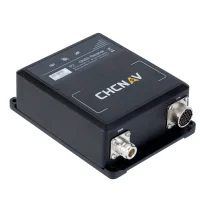
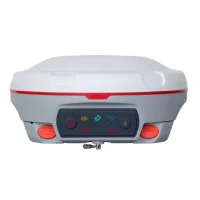
CHCNAV P2 vs ComNav T30 IMU
What P2 does better (2) and where T30 IMU wins (2) — every spec side by side.
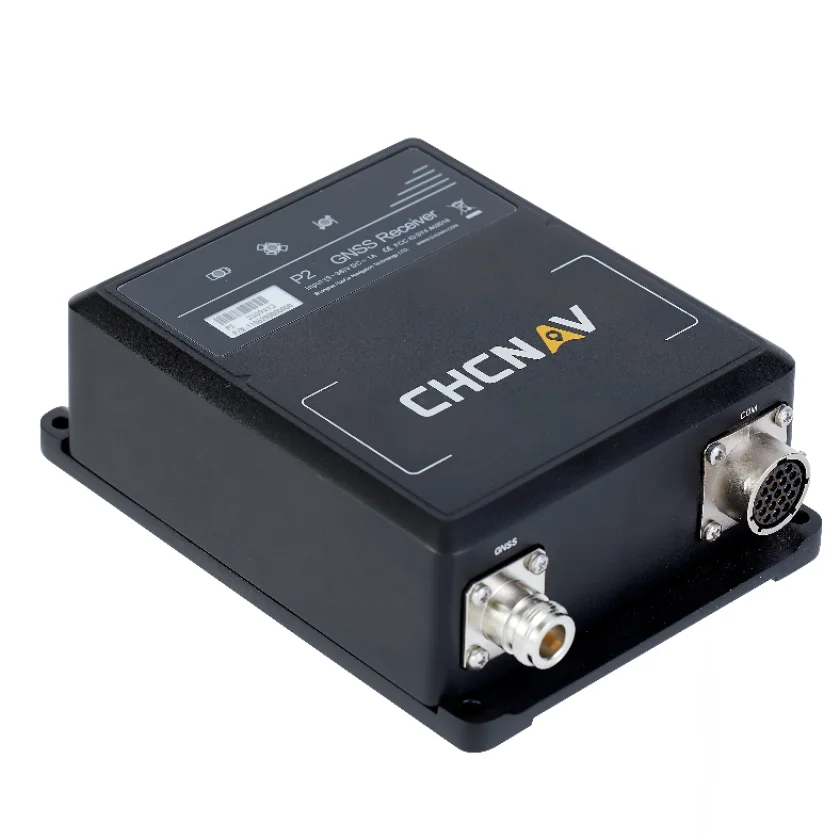
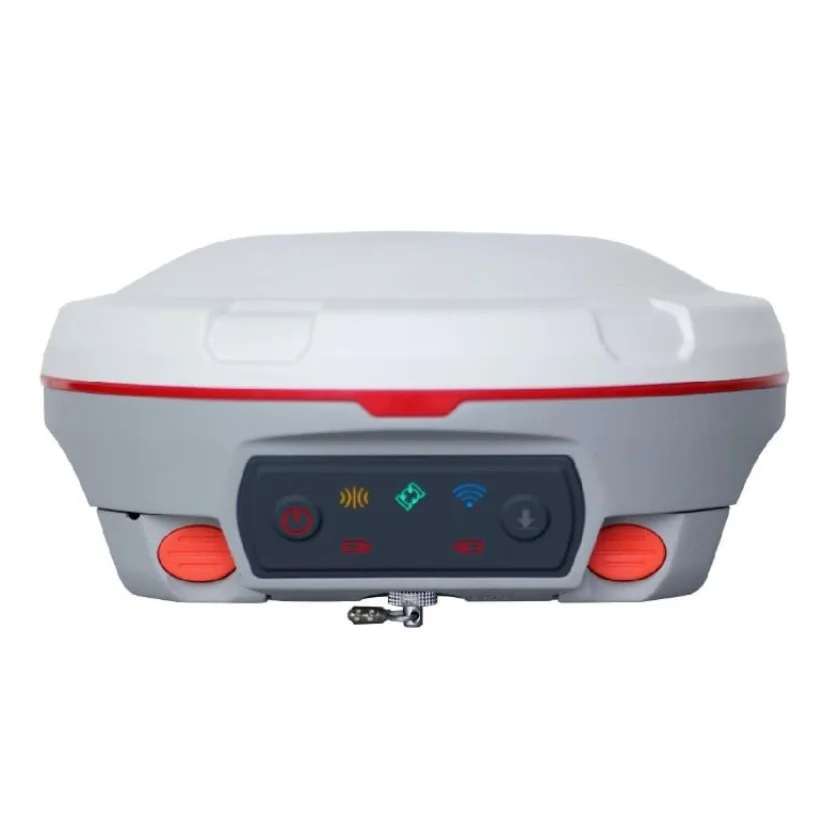
Why is P2 better than T30 IMU?
- Weight1,000 g vs 1,200 g+20%
- Operating temperature (max)75 °C vs 65 °C+15%
Why is T30 IMU better than P2?
- Tracking channels336 vs 574+71%
- Drop resistance1.2 m vs 2 m+67%
Specifications
Side by side
| Satellite positioning | ||
| Satellite systems | GPS, GLONASS, Galileo, BeiDou, QZSS, NavIC (IRNSS) | GPS, GLONASS, Galileo, BeiDou, QZSS, NavIC (IRNSS) |
| Satellite systems supported | 6 | 6 |
| Multi-band GNSS (L1 + L5/L2) | Yes | Yes |
| Frequency bands | L1, L2, L5, E1, E5a, E5b, E6, B1, B2, B3, L-band | L1, L2, L5, E1, E5a, E5b, B1, B2, B3 |
| Tracking channels | 336 | 574 |
| SBAS (WAAS / EGNOS) | Yes | Yes |
| RTK positioning | — | Yes |
| RTK accuracy (horizontal) | — | 8 mm |
| Static accuracy (horizontal) | — | 3 mm |
| Tilt compensation (IMU) | — | Yes |
| Max. tilt angle | — | 60° |
| Correction sources | SBAS | NTRIP (internet), UHF radio, Cellular modem, L-band / PPP, SBAS |
| Built-in UHF radio | — | Yes |
| L-band / PPP corrections | — | Yes |
| Maps & navigation | ||
| Internal storage | — | 8 GB |
| Connectivity & safety | ||
| Wi-Fi | — | Yes |
| Bluetooth | — | Yes |
| Cellular modem (4G / LTE) | — | Yes |
| Battery & power | ||
| Battery life | — | 15 h |
| Hot-swappable batteries | — | Yes |
| External power input | 9V-36V | 5-27 VDC |
| Build & durability | ||
| Protection rating | IP67 | IP67 |
| Water protection (IPx) | IPx7 | IPx7 |
| MIL-STD-810 | Yes | — |
| Drop resistance | 1.2 m | 2 m |
| Operating temperature (min) | -40 °C | -40 °C |
| Operating temperature (max) | 75 °C | 65 °C |
| Weight | 1,000 g | 1,200 g |
| Width | — | 155 mm |
| Height | — | 73 mm |
| Depth | — | 155 mm |
| Housing material | Aluminum alloy | Magnesium-aluminium |