- precisionagricultu.re
- Compare
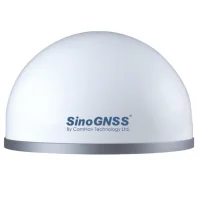
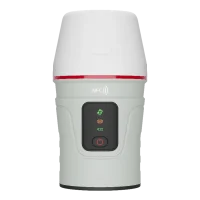
- A300 vs Venus Laser RTK
ComNav A300 vs ComNav Venus Laser RTK
What A300 does better (3) and where Venus Laser RTK wins (2) — every spec side by side.
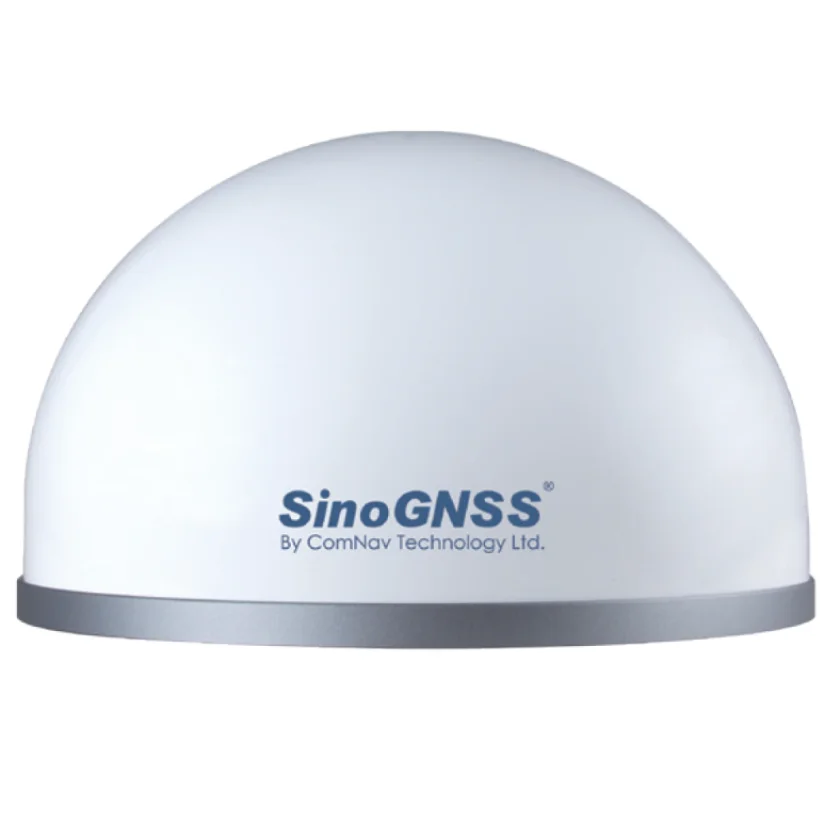
vs
8.4Positioning9.4
5.9Connectivity & safety5.9
7.8Durability5.5
Dimensions
Size comparison
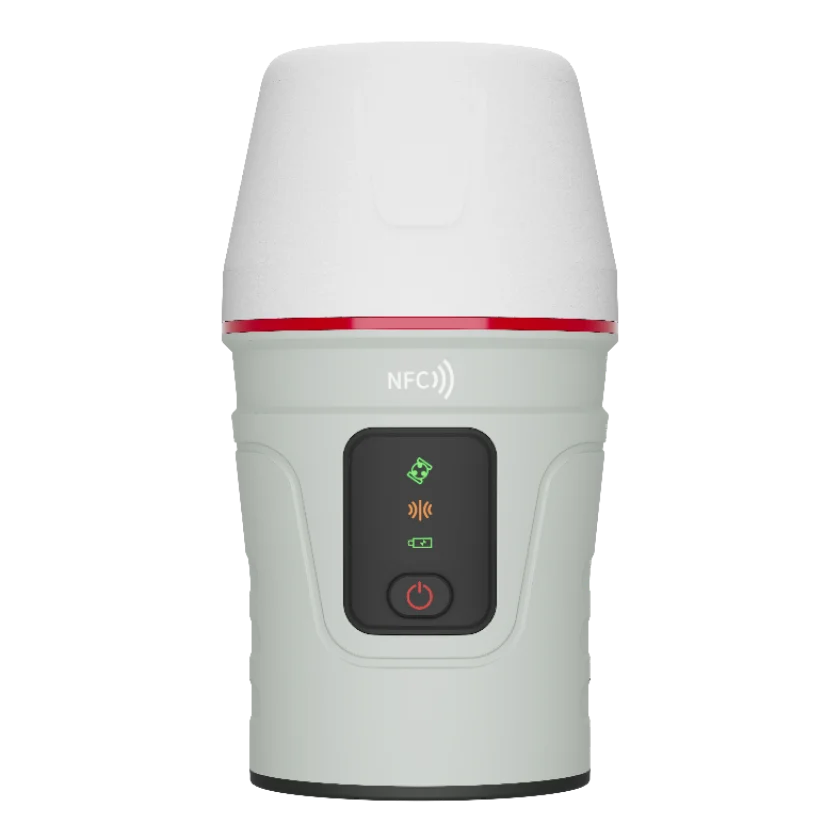
A300Venus Laser RTK
| A300 | Venus Laser RTK | Difference | |
|---|---|---|---|
| Height | 126 mm | 150 mm | −24 mm |
| Width | 250 mm | 70 mm | +180 mm |
| Depth | 250 mm | 80 mm | +170 mm |
| Weight | 2,000 g | 380 g | +1,620 g |
Drawn to the same scale from the official dimensions (front and side).
Why is A300 better than Venus Laser RTK?
- Water protection (IPx)IPx8 vs IPx7+14%
- Operating temperature (min)-40 °C vs -20 °C+-50%
- Operating temperature (max)75 °C vs 60 °C+25%
Why is Venus Laser RTK better than A300?
- Weight2,000 g vs 380 g5.3×
- Tracking channels965 vs 1,590+65%
Specifications
Side by side
| Satellite positioning | ||
| Satellite systems | GPS, GLONASS, Galileo, BeiDou, QZSS, NavIC (IRNSS) | GPS, GLONASS, Galileo, BeiDou, QZSS, NavIC (IRNSS) |
| Satellite systems supported | 6 | 6 |
| Tracking channels | 965 | 1,590 |
| SBAS (WAAS / EGNOS) | Yes | Yes |
| RTK positioning | Yes | Yes |
| RTK accuracy (horizontal) | 8 mm | 8 mm |
| Static accuracy (horizontal) | 2.5 mm | — |
| Correction sources | NTRIP (internet), UHF radio, Cellular modem, SBAS | SBAS |
| Built-in UHF radio | Yes | — |
| Connectivity & safety | ||
| Bluetooth | Yes | Yes |
| Cellular modem (4G / LTE) | Yes | — |
| USB-C | Yes | Yes |
| Battery & power | ||
| Battery life | — | 20 h |
| External power input | 6-36 | — |
| Build & durability | ||
| Protection rating | IP68 | IP67 |
| Water protection (IPx) | IPx8 | IPx7 |
| Drop resistance | 2 m | 2 m |
| Operating temperature (min) | -40 °C | -20 °C |
| Operating temperature (max) | 75 °C | 60 °C |
| Weight | 2,000 g | 380 g |
| Width | 250 mm | 70 mm |
| Height | 126 mm | 150 mm |
| Depth | 250 mm | 80 mm |
| Housing material | FRP cover & aluminum alloy base | macromolecule nanomaterial |